Omniscient Reader vs Typical Isekai Anime Heroes — Realism, Stakes, and Narrative Device
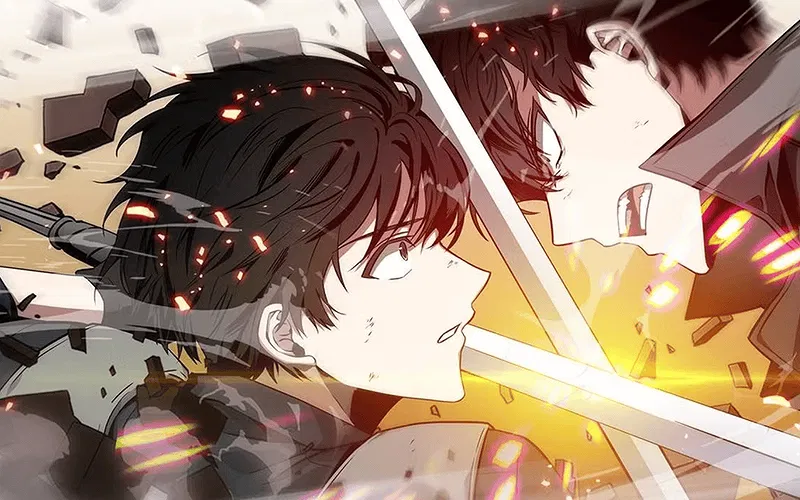
In the crowded world of fantasy storytelling, both manhwa and anime often explore the “ordinary person thrust into extraordinary circumstances” trope. Isekai anime, where protagonists are transported to parallel worlds, has become synonymous with high-powered battles, magical abilities, and escalating stakes. However, manhwa like Omniscient Reader’s Viewpoint take a strikingly different approach, offering a meta-narrative lens that alters the rules of engagement entirely. Comparing these two styles highlights the contrasts in realism, narrative devices, and emotional investment.
Narrative Devices: Meta-Awareness vs Traditional Power Fantasy
One of the most striking differences between Omniscient Reader (ORV) and typical isekai anime lies in narrative awareness. In ORV, protagonist Kim Dokja possesses the unique advantage of having read a web novel that mirrors the real-world apocalypse he faces. This meta-awareness allows him to predict events, anticipate enemies, and navigate the story with foresight. It’s a rare narrative device where the protagonist isn’t just reacting to challenges but actively shaping the trajectory of the story.
In contrast, many isekai anime protagonists, such as those in Sword Art Online or Re: Zero, are initially unaware of the world’s mechanics or the consequences of their actions. Their power often grows linearly through training, leveling up, or acquiring magical abilities. The narrative relies on traditional tension: obstacles arise, the hero struggles, levels up, and eventually overcomes challenges. The stakes are high, but they are more about physical survival and personal power than the manipulation of story outcomes.
By using meta-awareness as a narrative device, ORV raises the stakes in a unique way. The audience is engaged not only in whether Dokja can survive but also in whether he can anticipate the story’s twists and avoid fatal narrative traps. This adds a layer of psychological tension that is often absent in standard isekai power fantasies.
Protagonist Agency: Strategic Planning vs Straight Power-Ups
Another fundamental distinction between ORV and isekai anime heroes is the type of agency protagonists wield. Dokja’s victories are rarely about raw strength alone. Instead, his success hinges on strategy, manipulation of information, and careful risk assessment. He leverages knowledge of future events and narrative tropes to gain tactical advantages, making every decision feel weighty and consequential.
In contrast, many isekai protagonists rely heavily on the classic “power-up” trajectory. They start weak, face a formidable foe, unlock latent abilities or magical powers, and then triumph. While this model is satisfying in its own right, it tends to externalize stakes. Challenges exist to be overcome through strength, skill, or teamwork rather than cleverness or foresight. While audiences enjoy watching the hero grow, the emotional investment often aligns more with wish-fulfillment than with tension derived from uncertainty or narrative complexity.
Strategic planning in ORV also allows for moral complexity. Dokja must make difficult choices that affect both allies and enemies, often blurring the line between right and wrong. These dilemmas create richer character development and a more mature storytelling experience compared to the often black-and-white morality seen in many isekai anime narratives.
Emotional Investment: Which Approach Resonates More?
Both approaches have merit, but they engage the audience differently. Isekai anime thrives on catharsis: the viewer experiences exhilaration as the hero grows in strength, overcomes challenges, and saves the day. Emotional investment comes from rooting for an underdog whose powers are steadily rising, a formula that provides consistent satisfaction but often lacks deep narrative tension.
Omniscient Reader, on the other hand, creates investment through suspense, intellectual engagement, and emotional realism. Because Dokja understands the story but cannot always control its outcome, every victory and failure carries significant weight. The audience feels the tension of potential failure not just in physical combat but in navigating the story itself. This meta-awareness makes triumphs more rewarding and losses more devastating, forging a stronger emotional connection between reader and protagonist.
Moreover, ORV’s layered storytelling encourages viewers to think critically about plot structure, character motives, and the nature of destiny. Unlike isekai anime, where the narrative often rewards persistence and combat skill, ORV rewards strategy, empathy, and foresight. This approach appeals to audiences seeking intellectual stimulation alongside emotional engagement.
Conclusion
The comparison between Omniscient Reader and typical isekai anime heroes reveals fundamental differences in storytelling philosophy. Isekai anime offers high-octane escapism with a focus on escalating power and external stakes, while ORV demonstrates the narrative richness of meta-awareness, strategic agency, and nuanced emotional stakes. Where isekai heroes grow stronger through ability and action, ORV’s protagonist grows through knowledge, planning, and understanding the story itself.
For readers seeking a more cerebral and emotionally intense experience, ORV provides a refreshing departure from traditional power fantasies. By blending meta-narrative devices with high-stakes survival and moral complexity, it shows that not all heroism comes from strength alone—sometimes, true power lies in understanding the story you are living.