


Manhwa Originals vs Typical Anime Tropes — Why Korean Webtoons Feel Different
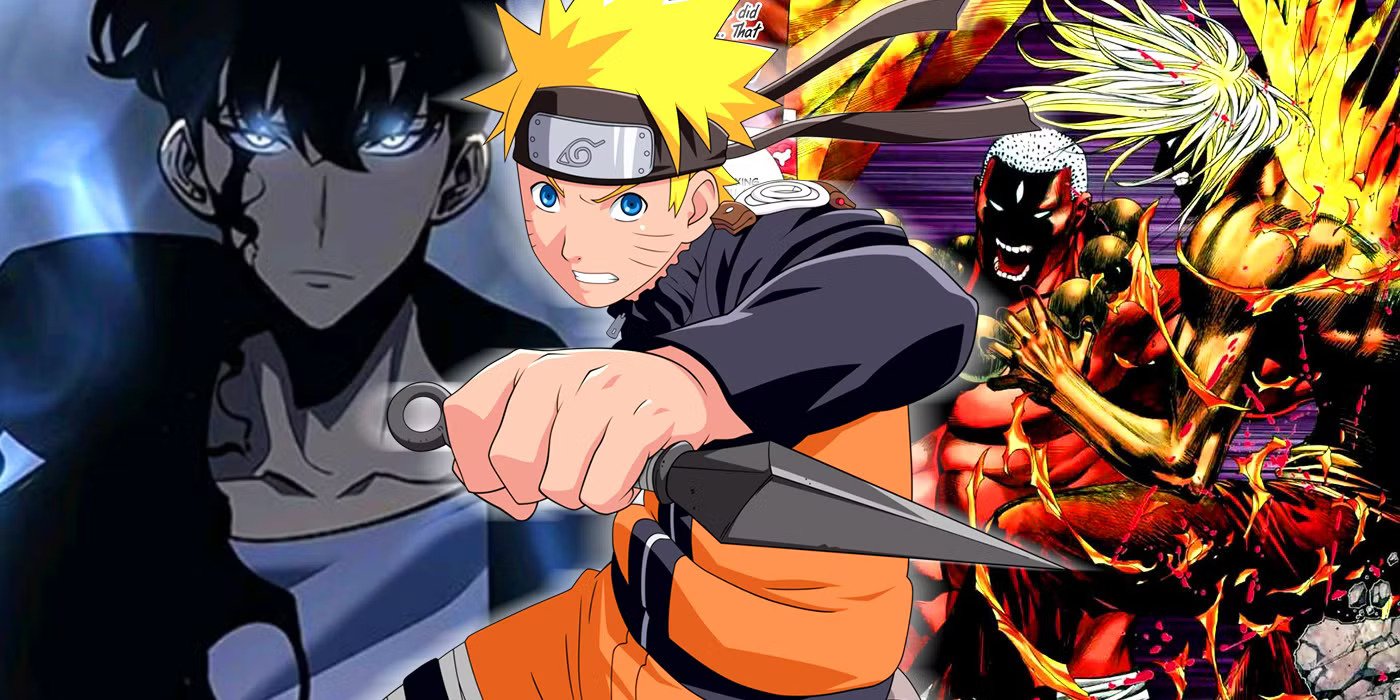
When it comes to animated storytelling, Japanese anime and manga have dominated global pop culture for decades. Yet, in recent years, Korean webtoons—often called manhwa—have gained massive international attention. While both mediums share the broad canvas of illustrated storytelling, their narrative structures, cultural nuances, and visual styles create very different reading experiences. This primer explores why manhwa feel distinct from typical anime tropes and what sets Korean webtoons apart.
Format Differences and Pacing
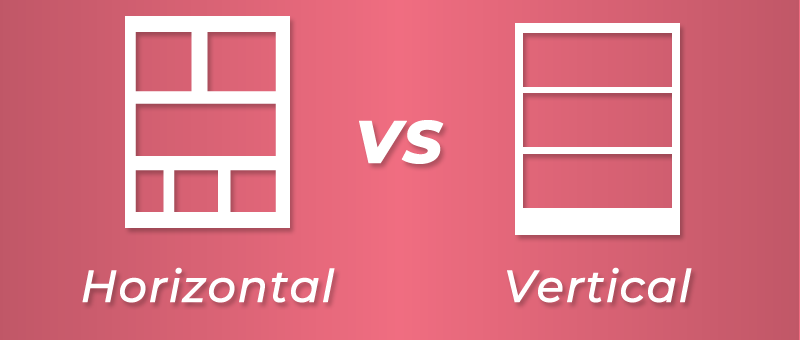
One of the most immediately noticeable differences between manhwa and traditional anime or manga is format. Webtoons are designed for vertical scrolling, optimized for smartphone consumption. Each chapter typically ranges from 50 to 100 panels, designed to flow seamlessly down the screen. This vertical structure encourages a pacing that is highly controlled by the creator: cliffhangers, dramatic reveals, and comedic beats often align perfectly with the reader’s scrolling rhythm.
By contrast, Japanese manga chapters are traditionally formatted in a horizontal, page-by-page layout, usually for print. Panels vary in size and composition, giving artists flexibility in pacing but often requiring more effort from the reader to track action sequences. Anime adaptations amplify this further with motion, sound, and timing, creating a very different rhythm. As a result, manhwa often feel “bingeable” with a natural flow, while manga and anime may lean into episodic or chapter-based suspense.
Thematic Differences
Beyond format, manhwa often explore themes and settings that feel modern and grounded. While anime spans genres from fantastical battles to sci-fi epics, manhwa frequently focus on contemporary urban life, social realism, and nuanced character relationships. School life, corporate drama, and romantic entanglements in cityscapes are common, providing a sense of immediacy and relatability.
Even in fantasy or supernatural genres, manhwa often inject real-world social commentary—power dynamics, economic struggles, or ethical dilemmas—which can make stories feel more grounded than many high-concept anime adventures. Romance in manhwa, for instance, often leans into subtle emotional tension rather than the exaggerated comedic tropes frequently seen in anime. Characters’ internal monologues and gradual relationship development are emphasized, allowing readers to connect with their psychological and emotional arcs.
Visual Storytelling
Visual composition is another area where manhwa and anime diverge. The vertical scroll format allows for creative paneling that stretches across multiple screens, creating cinematic moments that guide the reader’s eye naturally downward. Artists can manipulate pacing by inserting white space, elongating action sequences, or zooming into a character’s expression for impact. This approach can feel more fluid than traditional manga panels, which are constrained by page boundaries.
Color is also a defining factor. Many webtoons are digitally colored, often in vibrant palettes that enhance mood and tone, unlike most manga which is black and white and relies heavily on shading techniques. This difference in visual storytelling enhances immersion and allows for immediate emotional resonance.
Serialization frequency also shapes how stories unfold. Webtoons are typically updated weekly with concise episodes, keeping engagement high and momentum consistent. Manga can vary between weekly, biweekly, or monthly updates, and anime adapts stories over seasons. These structural differences influence how tension is built and resolved, and how readers emotionally invest in the story.
Cultural Resonance and Global Appeal
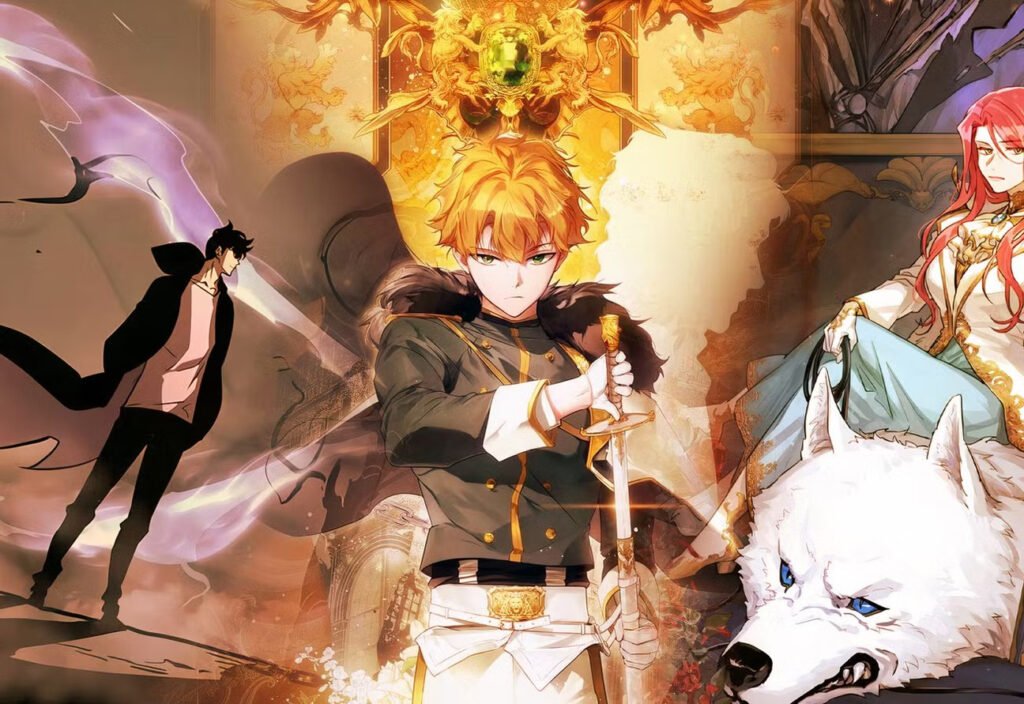
Manhwa’s distinctiveness is also cultural. Korean storytelling often emphasizes interpersonal dynamics, societal expectations, and emotional realism, offering a perspective that can feel fresh to international audiences accustomed to Japanese anime tropes. This doesn’t mean anime lacks depth, but rather that the approaches differ: anime often leans into genre archetypes—heroic shonen journeys, supernatural school settings, or over-the-top comedy—while manhwa frequently blends realism with fantastical elements in ways that feel grounded in modern life.
This cultural lens extends to humor, dialogue, and relationship norms. Webtoon protagonists may confront everyday issues—workplace politics, dating struggles, or family pressure—intertwined with larger narrative arcs. Anime characters might face similar challenges, but often in exaggerated or highly stylized ways, influenced by genre conventions and serialized television pacing.
Conclusion
In the end, the differences between manhwa and typical anime tropes are both structural and cultural. Vertical scrolling, episode length, pacing, and visual composition all contribute to a reading experience that feels fluid, cinematic, and immediate. Thematically, manhwa frequently explore modern life, social realism, and nuanced emotional arcs, distinguishing them from anime’s often archetypal tropes.
Understanding these distinctions allows fans to appreciate each medium on its own terms. While anime continues to offer high-energy spectacle and genre-driven storytelling, manhwa brings a fresh perspective—immersive, bingeable, and emotionally resonant—that is redefining global webcomic culture. Whether you’re a longtime anime fan or a newcomer to Korean webtoons, exploring both provides a richer understanding of how illustrated storytelling can vary across cultures and formats.


